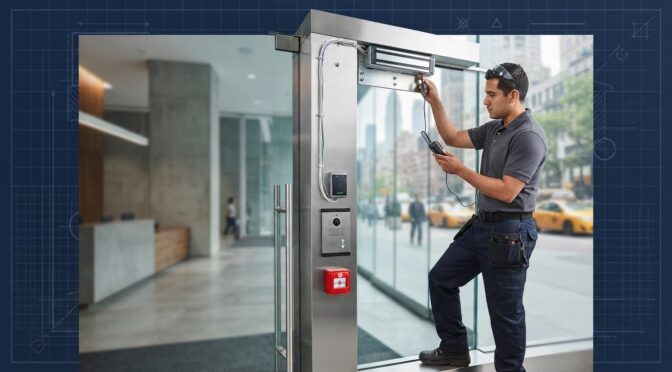
The strongest magnetic lock isn’t necessarily the safest choice for a New York City entrance. If the door, frame, access controls, and exit-release devices aren’t matched and tested together, added security can create problems for people trying to leave. That’s why magnetic lock installation NYC projects should start with the doorway and its egress needs, not just the lock hardware.
It’s reasonable to want a controlled entrance without making everyday access or emergency exit more complicated. A magnetic lock can work with card readers, intercoms, and other access-control components, but the setup needs to suit the door and the people who use it. Safe egress must remain central to the plan.
This guide explains how magnetic locks operate, what an installer should inspect, and how installation connects the lock to readers, intercoms, and release devices. You’ll also find questions to ask about functional testing and building-specific requirements before choosing a system, so you can weigh security and safe exit when planning access control.
Key Takeaways
- A magnetic lock holds a compatible armature plate against the door while powered. How it releases depends on the system design.
- Before planning magnetic lock installation NYC, document the door and frame condition, existing hardware, power access, and possible cable routes.
- Fail-safe describes how a lock responds to power loss. It doesn’t, by itself, confirm that the full exit arrangement is suitable.
- Ask how the lock will connect with access readers, intercoms, and release devices, then verify each function through testing.
- Request a clear project scope that separates hardware, wiring, controls, and any needed door repairs.
What Is a Magnetic Lock & Its Use in NYC Buildings?
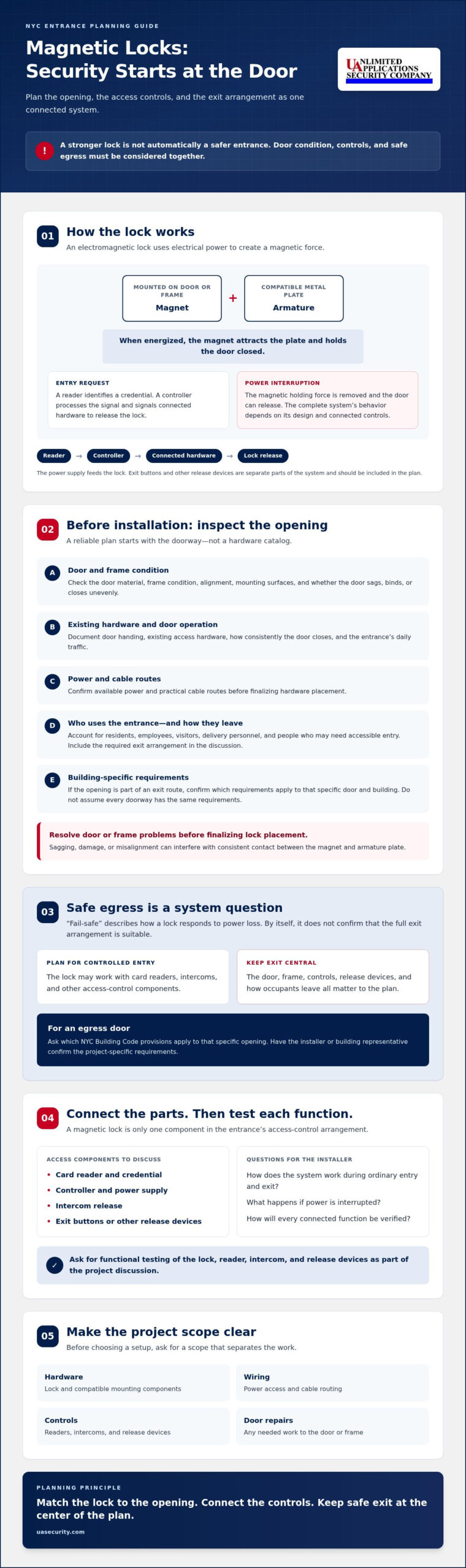
A magnetic lock, also called an electromagnetic lock, uses electrical power to create a magnetic force. That force holds a compatible metal armature plate against a lock mounted on the frame or door. When power to the magnet is interrupted, its holding force is removed and the door can release. The Electromagnetic lock overview explains the basic principle. How a complete installed system behaves depends on its design and connected controls.
In New York City, magnetic locks may be considered for controlled building entrances, office doors, and shared residential spaces where access needs to be managed. But a lock that controls entry must also work with the doorway’s required exit arrangements. The door, frame, daily traffic, and how occupants leave all matter. A site-specific assessment helps determine whether magnetic lock installation NYC is appropriate for a particular entrance.
This manufacturer demonstration shows magnetic and electric door-lock hardware. It illustrates components, not a substitute for a site assessment.
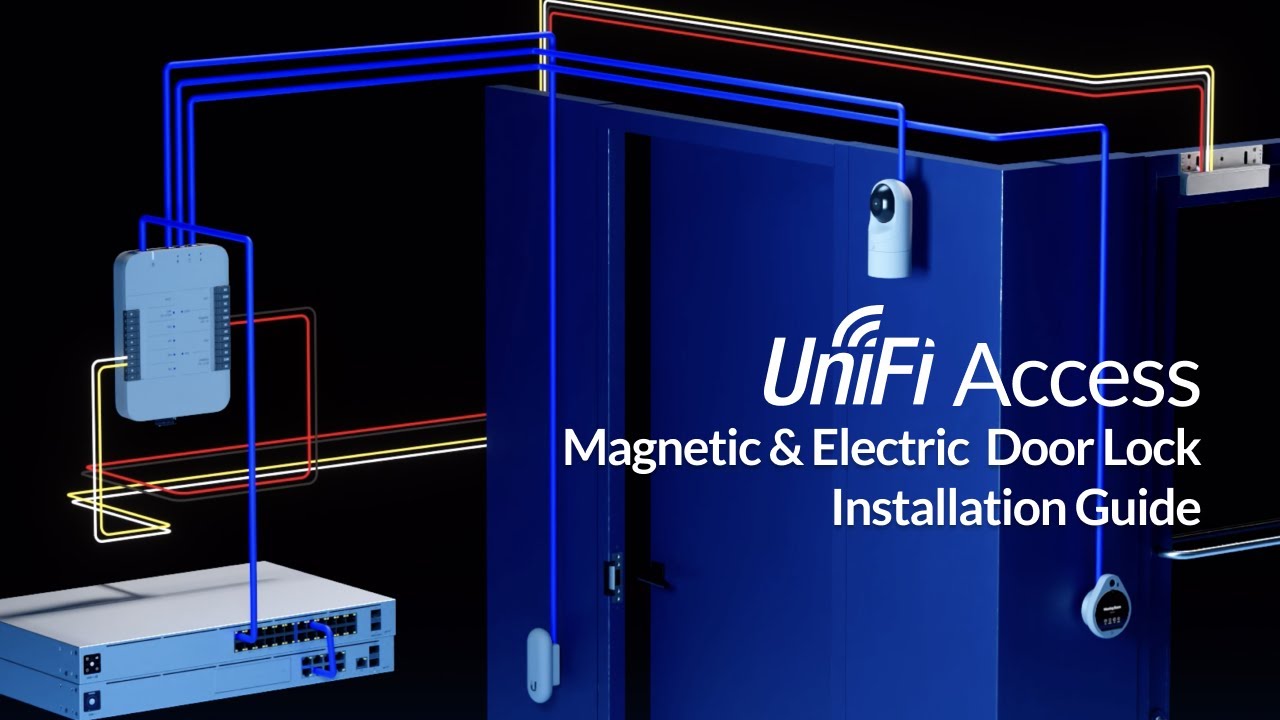
How does an electromagnetic door lock hold and release a door?
The magnet and armature work as a pair. When energized, the magnet attracts the plate and holds the door closed. To grant entry, a reader can send a credential to a controller, which signals connected hardware to release the lock. The reader identifies access, the controller processes the signal, and the power supply feeds the lock. Exit buttons or other release devices are separate parts of the system.
Power interruption removes the magnetic holding force, but the lock should be considered as part of the full arrangement. The controller, power supply, reader, and release devices affect how the doorway operates. Ask the installer to explain how those components work together during ordinary entry and exit, and what happens if power is interrupted.
Which doors may be candidates for magnetic-lock installation?
Compatibility depends on the actual opening. An installer should check the door material, frame condition, alignment, and whether there’s a suitable mounting surface for both the magnet and armature plate. A door that sags, binds, or doesn’t close consistently may need attention before the lock can operate as intended.
Traffic matters, too. A busy shared entrance may need hardware and controls selected for frequent operation and the site’s conditions. Door handing, existing access hardware, available power, and cable routing also affect the plan. Don’t assume a door is suitable based on appearance alone. A site visit lets the installer assess the opening and discuss the required exit arrangement before recommending a setup.
What Must Be Checked Before Magnetic Lock Installation NYC?
A reliable plan starts with the doorway, not a hardware catalog. Before magnetic lock installation NYC, document the door type, frame condition, handing, daily traffic, and existing access hardware. Note whether the door sags, binds, or closes unevenly. These details help the installer evaluate mounting options and identify door-operation issues to address before finalizing lock placement.
Ask the installer to check the mounting surfaces and alignment, available power, and practical cable routes. Explain who uses the entrance and how they need to enter and exit, including residents, employees, visitors, delivery personnel, or people who may need accessible entry. The plan should account for credentials, intercom release, and exit controls, not just the magnetic lock.
If the opening is part of an exit route, ask which rules apply to that specific door and building. The NYC Building Code requirements provide a reference for electromagnetic locks on egress doors. An installer or building representative should confirm the provisions that apply to the project rather than assume every doorway has the same requirements.
How do door condition and building use affect the installation plan?
A sagging door or damaged frame can prevent consistent contact between the magnet and armature plate. Misalignment may also affect how the door closes and how the hardware operates. Resolve those problems before finalizing lock placement. Then consider the entrance’s routine: residents may need straightforward daily access, staff may use credentials, and visitors or delivery personnel may rely on an intercom. The setup should support those patterns without overlooking exit needs.
For a focused comparison of the hardware options, see electric strike versus magnetic lock. The right choice depends on the opening and its use, not on a blanket preference for one lock type.
Which access-control components need to work with the lock?
Map the reader or credential, controller, power supply, lock, and release devices as one system. A credential reader requests access, and the controller processes that request and signals the connected hardware. An existing intercom may also trigger a release, but compatibility and intended operation should be confirmed before connecting it. For more on coordinated entry systems, review this professional intercom installation guide.
Before the work is finalized, ask how the installer will test normal entry, intercom release if included, and exit controls. A clear scope should distinguish the lock and other hardware from wiring, access controls, and any door repairs. That makes it easier to identify missing pieces and confirm what the installed system is expected to do.
Magnetic Locks and Safe Egress: What Property Managers Should Know
A controlled entrance should limit unauthorized entry, not prevent occupants from leaving. That distinction is central to magnetic lock installation NYC, especially when a door forms part of an exit route. A lock’s release behavior is only one part of the safety plan. The complete arrangement, including how people exit and how connected systems respond, must be considered for the specific building and doorway.
Requirements can vary with the building, door location, occupancy, and system design. Don’t assume a setup used at one entrance will suit another, or that adding a single release device settles every egress question. Before work begins, have the proposed design reviewed by qualified professionals and confirm applicable requirements with the relevant authorities.
What does fail-safe mean for a magnetic lock?
In plain terms, a fail-safe electromagnetic lock is designed to stop holding the door when its power is interrupted. The exact response depends on the installed system. This describes the lock’s behavior, not whether every part of the access-control system will continue working or whether the full exit arrangement is appropriate.
Access permissions and physical release are separate considerations. A reader or controller may manage who can enter during normal operation, while loss of power affects the magnet’s ability to hold the door. Property managers should ask what happens to the lock and connected controls during a power interruption, and how occupants can exit without relying on an entry credential. No single feature should be treated as proof that the door’s overall egress needs have been addressed.
How should emergency release and code review be handled?
During design and installation, review every device or interface intended to release the lock. Depending on the proposed system and the door’s use, that review may include exit controls, motion-based release devices, and connections to a building fire alarm system. Confirm how each element is expected to operate and how the complete arrangement will be tested. Don’t infer compliance from hardware specifications alone.
Before approving a fire-exit application, ask the installer to identify which NYC Building Code and Fire Code provisions may apply, and who will confirm them. Building-specific conditions can affect the review, so general advice cannot establish whether a particular setup meets requirements. Keep applicable design information and review documentation with the project records, and direct unresolved questions to the appropriate qualified professional or authority.
How Is Magnetic Lock Installation Planned, Installed, and Tested?
Magnetic lock installation NYC is a site-specific project, not a universal do-it-yourself procedure. The right plan depends on the door and frame, existing hardware, power access, access-control setup, and required exit arrangements. Scope and schedule can vary with the opening’s condition and the amount of system integration involved, so an installer should assess the site before confirming the work.
What happens during a professional site assessment?
The installer examines the door, frame, alignment, traffic pattern, and proposed positions for the magnet and armature plate. They also review where power is available, how wiring can be routed, which access-control components are in place, and how the intended release sequence should work.
Some questions may need input from building management or a code professional before the design is finalized. Identify those items early. Confirming the door’s operation and system plan first helps avoid mounting hardware around an unresolved alignment issue or assuming an existing control can perform a new function.
Once the design is confirmed, the work generally proceeds through mounting, wiring, configuration, and functional testing. The installer should explain what each stage includes and identify dependencies, such as door repairs or coordination with existing access controls. Don’t assume every opening follows the same sequence or needs the same scope.
What should be verified after installation?
Commissioning should test the system as people will use it, not just confirm that the magnet powers on. Discuss a checklist with the installer and ask for the expected result for each test:
- Authorized entry: Confirm that the intended credential or access method receives the correct response.
- Door operation: Check that the door closes properly and the magnet engages as designed.
- Release methods: Test each included exit control and any connected intercom or other planned release.
- Documented sequence: Compare observed operation with the agreed design, including relevant power-interruption behavior.
- Handover: Record installed components, basic operating instructions, and maintenance responsibilities for building staff.
Functional testing can expose issues such as a control that doesn’t trigger the expected release or a door that fails to align consistently. Record any problems, corrections, and open items before treating the system as ready for routine use.
For a magnetic lock and access-control assessment in New York City, find information from Unlimited Applications Security Company.
Choosing a Magnetic Lock Installer in NYC and Planning Next Steps
A good installer should explain how the proposed lock fits the actual doorway and how the full access system will operate. For magnetic lock installation NYC, compare the assessment and testing process, not just the proposed hardware. Ask for a written scope that separates the magnetic lock and other hardware, wiring, access controls, and any door repairs. This makes responsibilities and unresolved items easier to identify before work begins.
What questions should you ask a magnetic-lock installer?
Use these questions to understand how the project will be evaluated and handed over:
- Door compatibility: How will you assess the door, frame, alignment, mounting surfaces, and expected traffic?
- Power and wiring: Where will power come from, and how will cables reach the lock and controls?
- Egress review: Which professional will confirm the requirements that apply to this specific building and door?
- System integration: How will credentials, an existing intercom, and each planned release method work together?
- Testing and records: Which functions will be tested, and what operating instructions and system documentation will building staff receive?
Ask for clear answers about door repairs and other dependencies, too. If the entrance doesn’t close or align reliably, the installer should explain how that condition affects the plan before hardware placement is finalized. Confirm who is responsible for resolving open code or building-review questions. Don’t rely on a general assurance that the system is compliant.
When should magnetic locks be integrated with intercom or access control?
Integration can be useful when occupants need to enter with credentials or visitors are admitted through an intercom. The lock, controller, reader, intercom release, and exit devices must be planned as connected parts of the doorway, with each component performing its intended function in sequence. Ask how the installer will test those interactions rather than treating each device as a separate installation.
Unlimited Applications Security Company provides magnetic locks and access-control systems and works with intercom and entry systems, including video intercoms and telephone entry systems. That combination is relevant when planning connected entrance hardware, but compatibility and system behavior still need to be confirmed for the specific site.
Before approving the project, keep the proposed scope, egress-review responsibilities, test plan, and handover documents together. For an entrance project in New York City, the company’s magnetic-lock installation information is available here.
Plan a Secure Entrance With Safe Exit in Mind
A successful magnetic lock project starts with the opening and how people use it. Door and frame condition, access methods, and exit arrangements all inform whether the hardware is a suitable fit. The lock, reader, intercom, and release devices also need to work as a coordinated system, with each function checked after installation.
For magnetic lock installation NYC, have the project scope spell out the hardware, wiring, controls, door repairs, testing, and any building-specific review still needed. Clear documentation gives property managers a practical reference for staff and future system maintenance.
Unlimited Applications Security Company provides magnetic locks, electric strikes, and access-control hardware, and also works with video intercoms and telephone entry systems. If you’re planning an entrance or evaluating how its components should work together, discuss your NYC magnetic-lock installation with Unlimited Applications Security Company.
A site-specific plan and careful functional testing help you make informed choices that support controlled access while keeping safe exit central to the design.
Frequently Asked Questions
How does a magnetic door lock work?
A magnetic door lock uses electrical power to create a magnetic field that holds an armature plate against the lock. The lock is mounted to the door or frame, with the plate installed on the opposing surface. When power is interrupted, the magnetic holding force is removed and the door can release. A credential reader or other control may trigger release during normal operation, depending on how the system is designed.
Are magnetic locks suitable for fire exit doors?
They may be suitable for some doors, but suitability must be confirmed for the specific building and opening. In New York City, the review should consider the door’s role, occupancy, existing hardware, and the full release arrangement. Don’t rely on a general statement that magnetic locks are acceptable for every fire exit. Ask qualified professionals to confirm applicable NYC Building Code and Fire Code requirements before approving a design.
Do magnetic locks release when the power goes out?
Many electromagnetic locks are designed to release when their power is lost, a behavior commonly called fail-safe. The precise response depends on the installed design and how the lock connects to its power supply and controls. A power interruption can also affect readers or other access components differently. Ask the installer to explain what happens to each part of the system during a power loss and how occupants exit.
Can a magnetic lock work with an intercom or access-control system?
Yes, a magnetic lock can be integrated with an intercom or access-control system if the components are compatible and configured for the intended operation. A credential reader or intercom may signal a controller to release the lock. Before installation, confirm which device initiates release, what happens next, and how exit controls operate. Unlimited Applications Security Company works with magnetic locks, access control, video intercoms, and telephone entry systems in New York City.
What should be checked before magnetic lock installation?
Before magnetic lock installation NYC, have the door type, frame condition, alignment, and existing hardware assessed. Confirm there’s a suitable mounting surface, a practical power source, and a workable cable route. Explain who uses the entrance and how they need to enter, including any credential or intercom access. These details help the installer assess compatibility and identify door-operation issues or system questions before finalizing the plan.
How long does magnetic lock installation take?
Installation timing depends on the existing doorway and agreed project scope, so confirm it after a site assessment. An opening that needs door repairs, new wiring routes, or integration with an existing intercom or access-control system may involve different work from a simpler installation. Ask the installer to identify dependencies and explain the expected sequence. Avoid relying on a time estimate that doesn’t account for actual site conditions.
Who should install a magnetic lock in NYC?
Choose a qualified installer who can assess the door, plan the connected access components, and explain how the release arrangement will be tested. Ask who will confirm the requirements that apply to your specific building and door, and whether input from building management or other professionals is needed. In New York City, don’t assume one setup fits every property. Request a clear scope and documentation of the system’s intended operation.