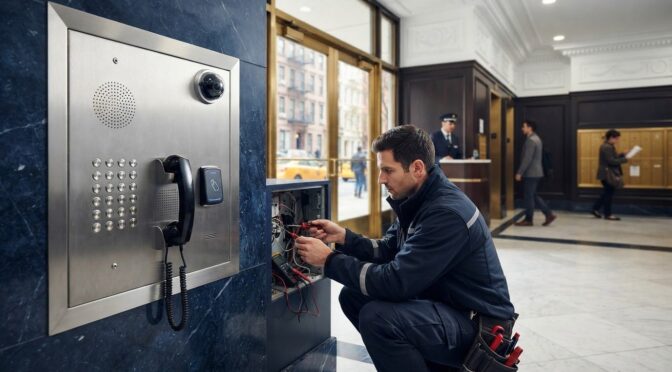
Replacing a telephone intercom system may not be the right first step. In a New York City building, existing wiring or door hardware may support a practical upgrade, but compatibility needs to be checked before anyone recommends a broader change. Start by identifying what’s installed, where problems occur, and what residents need the system to do.
If your current equipment is unreliable or lacks features residents expect, it’s reasonable to consider an upgrade. But a targeted repair or component change may also be worth evaluating. Before deciding, consider the disruption to visitor entry and whether the proposed equipment will work with the building’s infrastructure.
This article explains how telephone entry differs from video intercom and access control options, and what building teams should consider when comparing them. You’ll find practical questions about existing wiring, entry hardware, resident access, and system compatibility to ask before choosing a path. The goal is a sensible next step based on your property’s actual equipment and needs, not a one-size-fits-all upgrade.
Key Takeaways
- A telephone intercom system connects visitor communication with building entry, but handset-to-handset calling doesn’t always control the entrance.
- Assess video, access-control coordination, and system diagnostics as options for your building, not automatic reasons to replace existing equipment.
- Compare repair, targeted upgrades, and full replacement against resident needs, visitor volume, entry points, and existing wiring and door hardware.
- Before requesting proposals, record symptoms, affected entrances, equipment labels, and any recent changes to help focus the evaluation.
- Look for a provider who can explain the diagnosis, compatibility limits, repair-versus-replacement reasoning, and how the work will be tested.
What a Telephone Intercom System Does in a Modern Building
A telephone intercom system lets a visitor contact a building resident from an entrance and, depending on the installed equipment, lets the resident respond and release the door. It connects communication with an entry workflow, but the equipment, wiring, and release method vary by building.
A typical interaction starts when a visitor selects a resident or enters a directory code at the entry panel. The system routes the call to the appropriate handset or other configured device. The resident speaks with the visitor and, if the setup supports it, activates a release control. The connected door hardware then responds. The intercom system category includes different types of equipment, so the term alone doesn’t tell you how a particular entrance is wired or controlled.
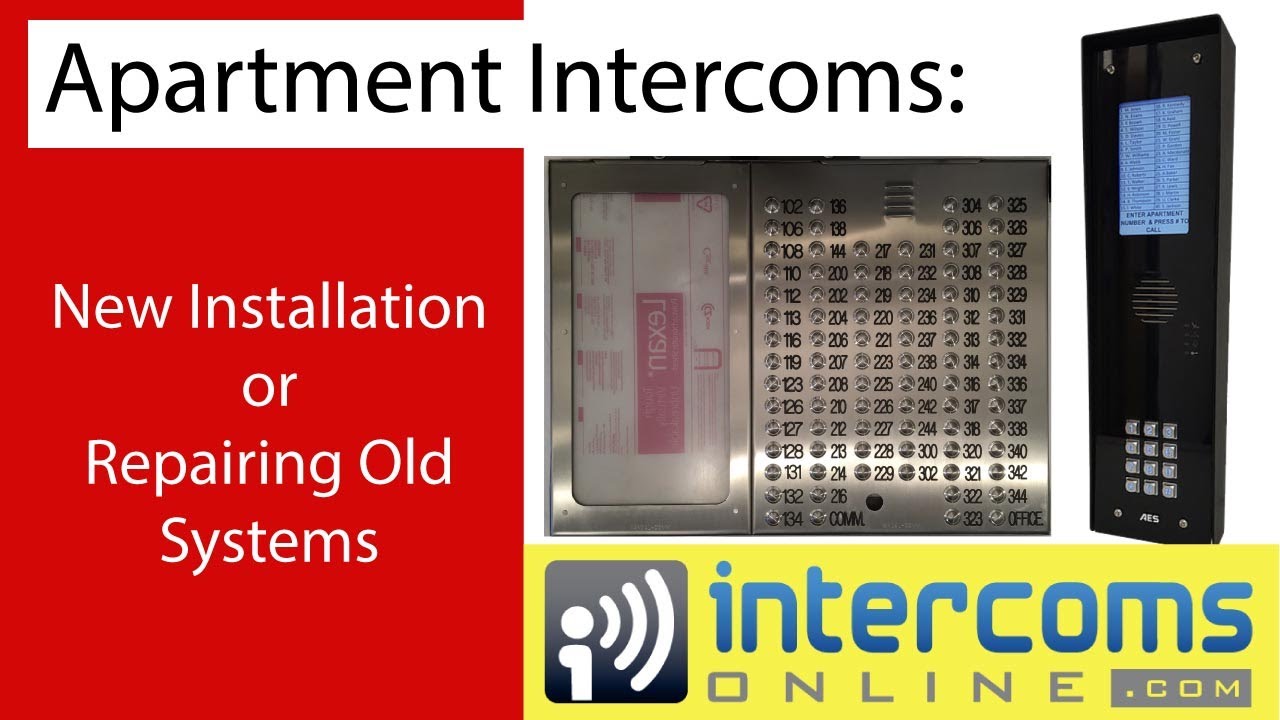
For a practical look at planning an entry system for multiple residents, watch this overview:
How building telephone entry differs from home phone intercom
In a home, a phone’s intercom feature may let household members call between handsets in different rooms. That function doesn’t necessarily connect to the building entrance or operate its door. In a multi-tenant property, telephone entry is organized around a visitor reaching a specific resident from a shared entry panel. How the call reaches the resident depends on the system installed. Don’t assume it uses a standard household phone line or a particular wiring layout.
Door release is a separate part of the workflow. A resident can release the entrance only if the system is connected to compatible entry and locking hardware, such as an electric strike or magnetic lock. The installed configuration determines how those components communicate.
Who uses a telephone intercom system in an NYC building?
Visitors use the panel to find and contact the right unit. Residents answer and follow the building’s entry process. Property managers, owners, and boards oversee directory information and assess whether the system works for the property’s daily needs.
For multi-tenant buildings, a clear directory and reliable call routing matter. Visitors need to find the intended resident without confusion. Managers can also track recurring symptoms, such as missed calls or a release that doesn’t operate as expected, to describe a problem during an assessment. See this guide to NYC multi-tenant intercom systems for more building-specific considerations.
Telephone Intercom Trends: What’s Changing and What’s Not
New features can make building entry more flexible, but a trend alone isn’t a reason to replace working equipment. For NYC property owners and managers, the useful questions are whether an option solves a specific problem, fits the installed system, and makes the daily entry process easier to manage.
Whether an upgrade makes sense depends on the condition of the existing system and the building’s entry workflow, not on a feature list alone.
From voice-only entry to video and connected workflows
Video can give a resident a visual view of a visitor before deciding whether to release the door. Its usefulness depends on the equipment, the entrance, resident needs, and how the system will be maintained. Consider who will use the feature, how residents without smartphones can access the entry process, and what support the building may need if a component stops working. In systems that rely on mobile-connected entry apps, keeping personal devices in working order is just as essential, where technicians like My Cellphone Repairs assist with troubleshooting smartphone hardware faults.
Some buildings also assess whether intercom functions can coordinate with access control. That connection isn’t automatic. Compatibility depends on the specific equipment and configuration. Broader access-control discussions include approaches such as biometric building access controls, but that doesn’t mean biometrics are necessary or appropriate for a residential intercom upgrade.
Ask a provider to explain what the proposed equipment can do, what it needs to connect to, and how residents will use it. A simpler system that fits the building may be easier to operate and maintain than one with features residents rarely use.
Why existing wiring and equipment still matter
Existing wiring, entry panels, in-unit stations, and door hardware can all affect which changes are practical. A fault might call for a component repair; a targeted upgrade may replace or add specific equipment; full replacement changes more of the system. The right scope depends on inspection and verified compatibility, not assumptions based on a panel’s age or appearance.
Clear diagnostics matter too. Ask how the technician will identify the fault, which components are involved, and how the completed work will be tested. If calls fail at only one station or the door release behaves inconsistently, document those symptoms. They don’t establish the cause, but they give the technician a useful starting point.
An on-site assessment can confirm wiring conditions, identify installed components, and establish whether repair, a partial upgrade, or replacement is feasible. If you’re weighing those options, review intercom repair and installation options for NYC buildings.
How to Compare Telephone Intercom System Options for Your Building
Choose a scope that addresses the building’s actual access problems. A telephone intercom system with one unreliable station may need a different response from a system that no longer supports the building’s entry workflow. Compare options after checking the equipment, wiring, door hardware, and confirmed compatibility.
| Option | When to assess it | What to verify |
|---|---|---|
| Retain and repair | The system generally works, but has an isolated fault such as inconsistent audio, a failed button, or a door-release problem. | Identify the source of the symptom, the condition of affected components, and whether the repair restores the needed workflow. |
| Targeted upgrade | Core functions remain useful, but specific equipment or capabilities need attention. | Confirm that proposed components work with the existing panel, wiring, stations, and locking hardware. |
| Full replacement | Failures recur, needed parts are unavailable, or the current setup can’t meet established building requirements. | Define the work at each entry and resident station, plan for resident disruption, and consider future maintenance needs. |
Don’t choose by equipment age alone. Compare the number of tenants, visitor volume, entrances, accessibility needs, and how staff and residents handle deliveries and guests. A building with several entry points or frequent visitor traffic may have different operating needs from a property with one entrance and a simpler directory. Industry discussions of physical access control trends can help identify possibilities, but they don’t establish what is compatible with a particular building.
Project scope depends on site conditions and selected equipment, so general cost figures aren’t a reliable substitute for an assessment. Ask for a clear explanation of the work included and which existing components are expected to remain.
When repair or a targeted upgrade may be worth assessing
Start with the symptoms. Note which stations are affected, whether audio is inconsistent, which buttons fail, and whether the entrance releases reliably. These observations help direct troubleshooting, but don’t confirm which component has failed or whether it can be repaired. A technician can inspect the system and assess the practical options. Learn more about professional intercom repair in NYC.
When broader replacement deserves consideration
Repeated faults, unavailable replacement parts, or requirements the existing setup can’t meet may justify reviewing a larger scope. Compare the need with the disruption of changing equipment across units and entrances, as well as the maintenance demands of the proposed system. New features alone aren’t a reason to replace working equipment. First, establish the problem replacement would solve.
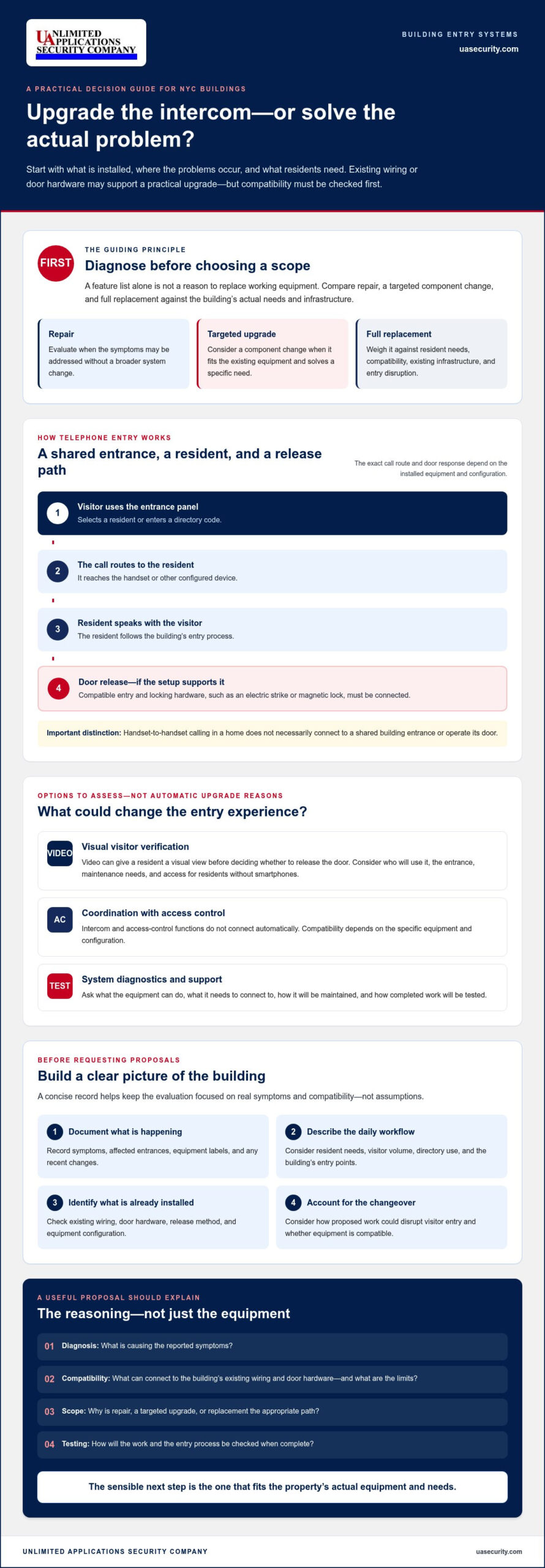
Planning a Telephone Intercom System Evaluation in New York City
A focused assessment starts with clear records of what works, what doesn’t, and what the building wants to change. That helps a technician inspect the right equipment and gives owners, boards, and property managers a sound basis for comparing repair and upgrade proposals.
What building information should you gather first?
Before contacting a provider, prepare a short site summary. Include what you can confirm without opening equipment or disturbing wiring:
- Describe the symptoms. Note whether calls fail, audio is unclear, buttons don’t respond, or door release is inconsistent. Record when the issue occurs and whether it affects one unit or several.
- Identify affected locations. List the entrance panels, units, and functions involved. If the building has multiple entrances, specify which ones are affected.
- Record visible equipment details. Note brand names and model labels on panels or stations if they’re accessible. A clear photo of a label may help, but don’t remove covers or handle wiring.
- List recent changes. Include work on the entry door, locking hardware, intercom equipment, or building wiring that may be relevant.
- Separate faults from goals. Write down urgent operating problems first, then list desired changes such as video or a different resident workflow.
These notes won’t diagnose the cause. They help distinguish a specific fault from a broader request to change how the building handles visitors.
How to plan assessment and installation coordination
Before arranging a site visit, identify who can approve the work, who can provide access to the entrance and relevant equipment, and which building contact will coordinate with residents. If work may involve multiple entrances or in-unit stations, ask how access will be arranged and how residents will be informed of any interruption. Plans should reflect the property’s actual access permissions and daily operations.
Ask the provider to explain what has been confirmed and what still needs inspection. A useful proposal should define the work, identify the equipment and door hardware involved, state any compatibility limits, and describe how the system will be tested afterward. For more preparation guidance, see the professional intercom installation guide.
If you’re ready to review the building’s needs, contact Unlimited Applications Security Company to discuss an intercom system assessment. Share the symptoms and equipment details you’ve gathered so the next conversation can focus on a practical evaluation.
Choosing a NYC Telephone Intercom System Partner for Repair or Upgrade
A useful provider evaluates the equipment already serving the building, not just the features of a proposed replacement. Look for experience with the installed system’s brand and configuration, along with familiarity with the door hardware connected to it. That context helps the provider assess whether the issue calls for repair, a targeted change, or a broader installation.
Questions to ask before selecting an intercom contractor
Ask direct questions before approving work. A clear recommendation should connect the proposed scope to what the technician finds on site, rather than assume every system or component is interchangeable.
- Does the provider work with the installed system brand and configuration?
- How will the technician diagnose the issue, and what evidence supports the recommendation?
- Which components will be repaired, retained, or replaced? What compatibility limits should the building understand?
- How will the team coordinate equipment and entrance access, resident communication, and testing after the work?
Also ask what will be tested when work is complete. Depending on the agreed scope, verification might include confirming that calls reach the intended station, audio works, and the connected door-release function operates as expected. The provider should explain which checks apply to the building’s actual setup.
How Unlimited Applications Security Company can support NYC buildings
Unlimited Applications Security Company installs and repairs intercom and telephone entry systems in New York City. Its work includes equipment from Aiphone, Comelit, Siedle, Lee Dan, and Tektone. The company is an installer and repair provider, not a manufacturer. Confirm system features and compatibility against the equipment in your building.
Telephone entry work may also involve related components at the entrance. The company offers intercom and video intercom systems, CCTV surveillance systems, access control systems, electric strikes, and magnetic locks. These services may be relevant when an assessment identifies connected equipment that needs attention. Compatibility between systems must be checked, not assumed.
A sound recommendation should give building decision-makers a clear diagnosis, a defined scope, and an explanation of how the work will be verified. That makes it easier to weigh repair against replacement and plan around residents’ access needs.
For help with telephone intercom repair or installation in New York City, discuss your building intercom needs with Unlimited Applications Security Company.
Make Your Next Intercom Decision With Confidence
In 2026, the right telephone intercom system choice isn’t automatically the newest one. Video and access-control coordination may be useful, but the building’s existing equipment, wiring, door hardware, and resident workflow should guide the decision. A clear assessment can show whether repair, a targeted upgrade, or full replacement best addresses the property’s needs.
Before comparing proposals, document the symptoms, affected entrances, equipment details, and changes residents need. Then ask providers to explain their diagnosis, confirm compatibility, define the work, and describe how they’ll test the system afterward.
Unlimited Applications Security Company installs and repairs intercom systems in New York City, with work involving Aiphone, Comelit, Siedle, Lee Dan, and Tektone equipment. Related services include video intercoms, CCTV, electric strikes, and magnetic locks, which may be relevant depending on the building’s installed setup.
For practical guidance on repair or installation options for your property, discuss your NYC telephone intercom needs. Contact Unlimited Applications Security Company to discuss your building’s intercom and entry equipment.
Frequently Asked Questions
What is a telephone intercom system in an apartment building?
A telephone intercom system lets a visitor at a shared entrance contact a resident and may allow the resident to release the door. The entry panel usually helps visitors locate a unit, while call and release functions depend on the equipment installed in the building. For NYC property managers and boards, checking the existing panel, resident stations, wiring, and door hardware helps clarify how the system works.
How does a telephone entry system work for visitors?
A visitor uses the entrance panel to select a resident or enter a unit code. The system routes a call to the configured resident station or device, where the resident can speak with the visitor. If the setup includes a connected door-release function, the resident can activate it to unlock the entrance. The call path and release method vary by system, so confirm how the installed equipment is configured.
Can an existing telephone intercom system be upgraded to video?
Possibly, but video compatibility depends on the installed equipment, wiring, and building requirements. An assessment can establish whether existing components can support a video intercom upgrade or whether additional equipment or broader changes are needed. Consider who will use video, how residents will answer, and how the system will be maintained. Don’t assume a video unit will connect to every existing telephone entry setup.
Is a telephone intercom system the same as a home phone with an intercom feature?
No. A home phone’s intercom feature may let people call between handsets inside a residence. Building telephone entry is designed to connect a visitor at a shared entrance with a resident, and may also control the entrance through compatible door hardware. The two functions can sound similar, but handset-to-handset calling doesn’t necessarily provide visitor communication or door release.
When should a building repair its telephone intercom system instead of replacing it?
Repair is worth assessing when the system has a specific fault, such as unclear audio, a nonworking button, or an unreliable door release, and the existing setup still meets the building’s needs. Symptoms alone don’t confirm the cause or repairability. A technician should inspect the equipment and connected hardware, then explain whether repair, a targeted upgrade, or replacement best addresses the problem.
What should an NYC property manager prepare before an intercom assessment?
Record the affected entrance, units, and functions, along with when the issue occurs. Note visible equipment brands or model labels and any recent changes to the intercom, wiring, or door hardware. Separate faults needing diagnosis from desired features. Also identify the building contact, decision-maker, and access arrangements for the site visit. These details help focus the assessment without replacing an on-site inspection.