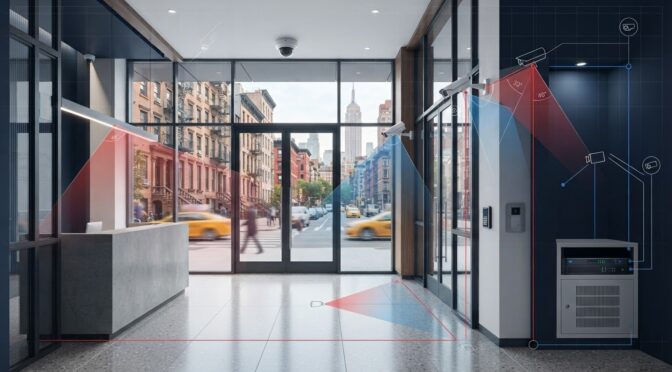
More cameras don’t automatically mean better coverage. A camera can miss important activity if it faces the wrong direction or doesn’t capture a useful view after dark. A CCTV surveillance system New York property owners can plan around starts with how the building is used, where visibility is needed, and what security equipment is already in place.
It’s common to be unsure how many cameras a property needs or whether a new recorder and storage setup will work with existing hardware. Start by defining the coverage goals, then consider cameras, recording, storage, and compatibility as parts of the same plan.
This guide explains how the main components of a CCTV system work together and how placement, recording, and storage choices affect everyday use. You’ll learn how to compare system approaches for your property and what to consider when a New York installation is coordinated with access control, intercoms, or other entry systems. The goal is a practical plan that fits the building and its wider physical-security setup.
Key Takeaways
- Start by identifying the areas and activities your property needs to monitor; apartment, office, retail, and shared spaces call for different coverage plans.
- Understand how cameras, recording equipment, and viewing access work together, then consider compatibility before choosing system components.
- Compare CCTV approaches by coverage, recording, management, and integration needs. No single setup suits every building.
- Plan a CCTV surveillance system New York property owners can rely on by accounting for building access, existing infrastructure, layout, and intended coverage.
- Consider how CCTV can coordinate with access control, intercoms, and entry hardware as part of a wider physical-security setup.
Planning a CCTV Surveillance System for a New York Property
Camera planning depends on the property. A multifamily building may need visibility at entrances, in lobbies, and along shared corridors. An office may prioritize reception and access routes, while a retail space may focus on customer areas, stock areas, and service entrances. CCTV uses cameras connected to equipment that records or manages video, but each system’s layout and purpose should reflect how the site operates.
Begin by listing the areas to monitor and the reason for monitoring each one. The Closed-circuit television (CCTV) overview provides a broader introduction to the technology and its applications. For a CCTV surveillance system New York property owners can use effectively, the next step is to match the coverage plan and equipment to the site and its intended use.
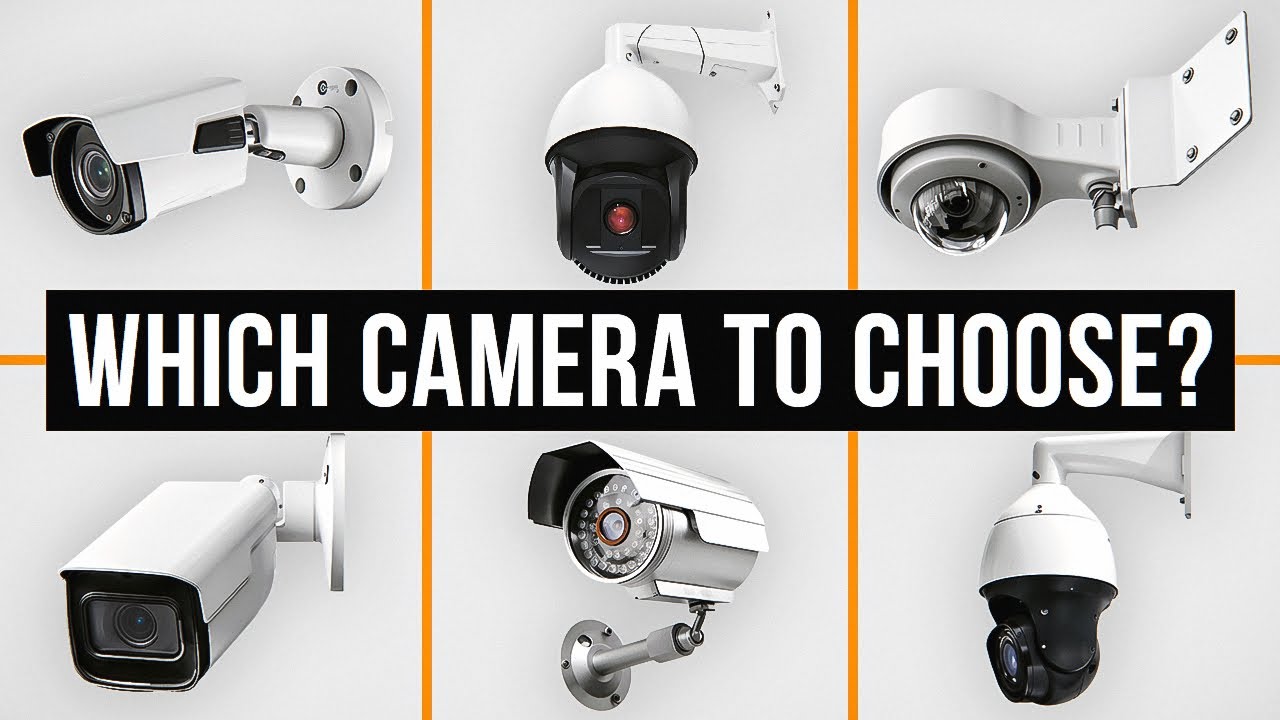
A general view may help staff understand activity in a lobby, while a doorway may call for a more focused view. When comparing cameras, consider what each view needs to show, the lighting conditions, and whether objects or building features could block the image. For an overview of camera selection, watch this video:
What should a CCTV system help a New York property monitor?
Start with a list of operational priorities: building entrances, visitor reception, delivery points, lobbies, or service areas. Then distinguish spaces where a broad view is sufficient from locations where staff need a clearer view of a particular activity or access point. This helps guide camera placement and equipment choices without adding coverage that has no defined purpose.
Cameras are one part of a broader physical-security plan. They can provide visibility and recorded video, but they don’t replace appropriate access controls, building procedures, or staff judgment.
Which New York property types need different planning?
Multifamily buildings often have shared spaces and multiple routes through the property. Offices may have reception areas, work zones, and controlled entrances. Commercial premises can combine customer-facing areas with delivery points and back-of-house operations. These differences affect where cameras may be useful, how views relate to one another, and how the system fits daily building use.
A site-specific review brings together the layout, access routes, existing infrastructure, and intended coverage. This guide focuses on physical-security monitoring. Cybersecurity is a separate discipline involving the protection of digital systems and information; CCTV planning here concerns cameras and video management equipment, not cybersecurity software.
How CCTV Cameras, Recorders, and Networks Work Together
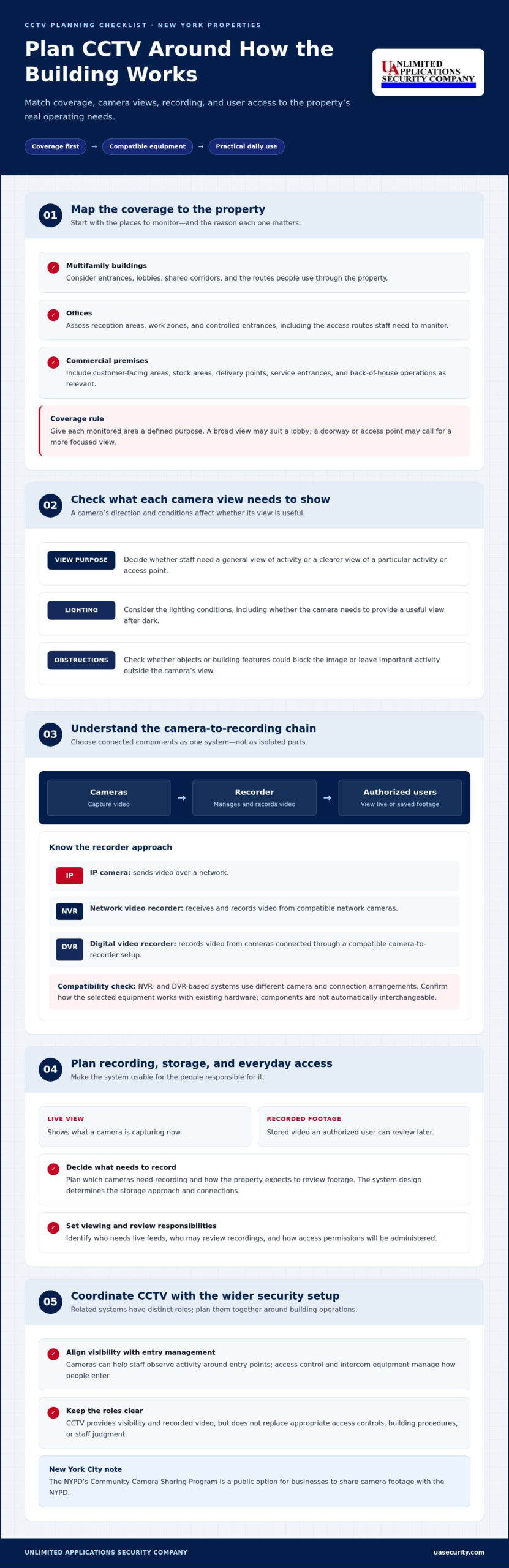
A CCTV system is a connected chain: cameras capture video, recording equipment manages and stores it, and authorized users view a live feed or review saved footage. The connections and capabilities depend on the system design. Consider the camera, recorder, network connections, storage plan, and user needs together rather than choosing each component in isolation.
In a coordinated building setup, camera footage can help staff observe activity around entry points, while access control or intercom equipment manages how people enter. These functions are distinct, but planning them together can align coverage with building operations. For example, New York City’s NYPD’s Community Camera Sharing Program provides information about a public option for businesses to share camera footage with the NYPD.
What is the difference between an IP camera, NVR, and DVR?
An IP camera sends video over a network. An NVR, or network video recorder, receives and records video from compatible network cameras. Put simply, an NVR records and organizes video sent to it by network cameras.
A DVR, or digital video recorder, records video from cameras connected through a compatible camera-to-recorder setup. The distinction matters because NVR-based and DVR-based systems use different camera and connection arrangements. Neither is automatically the right choice for every property. The system design determines which cameras, recording equipment, and connections work together, including how new components fit with existing hardware.
How do live viewing and recorded footage fit into the system?
Live viewing shows what a camera is capturing now. Recorded footage is stored video that an authorized user can review later. Depending on the system’s capabilities and configuration, the viewing device or interface may provide access to live video, recordings, or both.
Plan storage around operating needs: decide which cameras need to record and how the property expects to review footage. The system design determines the storage approach and how components connect. Don’t assume every recorder and camera can be combined interchangeably.
Day-to-day management matters, too. Decide who needs to view live feeds, who may review recordings, and how access permissions will be administered. Clear roles make routine use more practical, especially when building staff have different responsibilities. As part of a CCTV surveillance system New York project, Unlimited Applications Security Company can coordinate camera and recording choices with the property’s wider physical-security setup. Explore CCTV surveillance systems as part of that planning.
Comparing CCTV System Options for New York Buildings
Compare system options by how the property operates. A multifamily building may prioritize shared entrances, lobbies, and resident routes. A commercial property may focus on customer areas, deliveries, and staff-only spaces. Those priorities shape camera locations, recording needs, day-to-day management, and whether CCTV should be planned alongside access control.
The right system is the one that fits the property’s operations. Use the comparison below to frame the decision, not to assume one approach works best for every building.
| Approach | Coverage | Recording | Management | Integration |
|---|---|---|---|---|
| Standalone CCTV | Useful when the priority is observing selected areas, such as entrances or service spaces. | Recording needs guide the system design and storage plan. | Consider who will view live feeds and review footage. | Can be planned as a separate physical-security system. |
| CCTV coordinated with access control | May suit properties where camera views and controlled entry points support related operational needs. | Video and access functions remain distinct, even when planned together. | Consider which staff roles need access to each system. | Compatibility and available workflows depend on the chosen equipment and design. |
| Expansion of existing CCTV | Can address gaps in current coverage, subject to the property’s layout and existing equipment. | Review how new cameras would fit the recording arrangement. | Consider whether staff can manage the updated system effectively. | Existing hardware and connections affect what can be coordinated. |
Which camera placement and form factors suit different areas?
Entrances need views that help staff observe arrival and access activity. In corridors, account for turns, doorways, and other features that could interrupt the view. Plan exterior coverage around the building’s immediate surroundings and the purpose of monitoring. Indoor and outdoor camera categories serve different locations, but the suitable choice depends on the site and system design. For a closer look at residential shared spaces, see this guide to security camera placement for apartment buildings.
Should CCTV operate alone or integrate with access control?
A standalone setup may suit a property whose goal is video monitoring without a coordinated entry workflow. Planning CCTV alongside access control lets staff consider camera coverage and controlled entry together, especially around entrances. Integration is not automatic for every system; equipment compatibility and the intended workflow shape the design. Learn more about advanced access control systems for New York City.
When planning a CCTV surveillance system New York property owners can compare options against building operations, existing infrastructure, and the people responsible for using the system. This keeps the decision focused on practical needs rather than features without a clear purpose.
What to Expect When Planning CCTV Installation in New York City
A well-planned installation follows a clear sequence: assess the property, define coverage needs, design the system, install and connect equipment, then check that it works as intended. The process depends on building access, existing infrastructure, layout, and how the property plans to use the footage. A CCTV surveillance system New York project should account for these practical conditions before finalizing equipment placement.
What happens during a CCTV site assessment?
An assessment builds a working picture of the site and its operations. It considers entrances, lobbies, shared spaces, service areas, existing security equipment, and practical camera locations. It also looks at how people move through the property and where the owner or management team needs visibility.
Property stakeholders can identify priorities such as visitor access, delivery activity, or particular shared areas. Existing wiring and equipment may also affect design decisions and coordination with access control or intercom systems. These details inform a tailored plan for coverage, camera connections, recording, and system management instead of relying on a generic layout.
How are installation and system checks coordinated?
Once the design is established, installation proceeds through practical stages. Equipment is placed according to the plan, connected to the relevant recording and viewing components, and coordinated with any existing infrastructure included in the project. Building access and day-to-day operations inform how the work is organized.
After installation, operational checks should confirm that cameras provide the planned views, video reaches the recording equipment, and authorized users can access the relevant live or recorded footage. If CCTV is coordinated with access control or intercom hardware, the review should also consider how those systems are intended to work together. These checks help identify connection or configuration issues before routine use.
Clear planning gives property stakeholders a practical view of the project, from initial assessment to system handover. It also provides a basis for decisions about coverage, existing equipment, and how the system fits the building’s wider physical-security needs.
For help planning security camera installation NYC around your property’s layout and security needs, explore physical security solutions for your property.
CCTV Surveillance and Integrated Security Solutions in New York
A camera system works best when its role is clear within the property’s wider physical-security plan. Unlimited Applications Security Company provides CCTV surveillance and related physical-security systems in New York City, including access control, intercoms, telephone entry, electric strikes, and magnetic locks. Planning these systems together means considering what each needs to do, where their functions relate, and how existing equipment affects the design.
CCTV provides video visibility, while entry and access systems help manage how people communicate with or enter a building. They address different needs, but planning them together can align camera coverage with the property’s access procedures. The connections and workflows depend on the system design and equipment selected for the project. For a practical overview of security hardware installation in New York, consider how these components work together at the building entrance.
When does it make sense to coordinate CCTV with entry systems?
Coordination can be useful when staff need to consider video and controlled entry as part of the same operational picture. For example, a building might need visibility around an entrance, use an intercom for visitor communication, and use access-control hardware to manage entry. Electric strikes or magnetic locks may also be relevant to the entry-system plan, depending on the building and its existing setup.
Integration is a design consideration, not an assumed feature of every installation. Equipment compatibility, connection requirements, and staff workflows all shape what can be coordinated. Reviewing these factors during planning helps determine whether CCTV should operate independently or alongside entry systems. For background on this part of a building’s security setup, read the guide to professional intercom installation in 2026.
How can a New York property begin a CCTV project?
Start with three practical details: the property type, the areas that matter most, and the goals for monitoring. Note any existing cameras, recorders, intercoms, or access-control equipment that may affect the project. These details give planning a useful starting point and help identify how the system needs to fit into building operations.
From there, a site-specific review can shape camera coverage, recording needs, equipment connections, and relevant integration with access control or entry hardware. Unlimited Applications Security Company plans CCTV deployments as part of a property’s physical-security infrastructure, with system choices tailored to the building and its needs.
To discuss a CCTV surveillance system New York property can plan around, discuss a CCTV surveillance system for your New York property.
Build a CCTV Plan Around Your Property
A practical surveillance plan starts with the property’s operations, not a camera count. Identify priority areas, consider how cameras and recording equipment will work together, and compare system options against the building’s coverage and management needs. A site-specific plan can also account for existing hardware and whether CCTV should be coordinated with access control or entry systems.
For a CCTV surveillance system New York property owners can plan with confidence, Unlimited Applications Security Company provides CCTV and physical-security solutions in New York City. Its expertise spans CCTV, access control, intercoms, and entry hardware, supporting a coordinated approach when project needs align.
Ready to take the next step? Discuss a CCTV surveillance system for your New York property and start shaping a plan around your building, priorities, and daily operations. A clear starting point makes the decisions ahead more manageable.
Frequently Asked Questions
What does a CCTV surveillance system include?
A CCTV system generally combines cameras with equipment for transmitting, viewing, or recording video. Depending on the design, it may also include network connections, recording hardware, storage, and management interfaces. The exact components depend on the property’s coverage needs and existing infrastructure. For a New York City building, planning should account for the site layout, daily operations, and whether the system needs to be coordinated with other physical-security equipment.
Is CCTV different from an IP camera system?
Yes. CCTV describes a video-surveillance setup, while an IP camera is one type of camera that sends video across a network. Many modern surveillance systems use IP cameras, but the terms don’t mean the same thing. A complete system also involves recording, storage, viewing, and management components. Select equipment and configuration to work together based on the property’s needs and existing infrastructure.
Can CCTV cameras work with access control systems?
Yes, CCTV and access control can be planned together so video coverage and controlled entry support related building operations. For example, a property may consider camera views near an entrance alongside the systems used to manage entry. Whether and how equipment can be integrated depends on compatibility, system design, and operational requirements. A coordinated plan considers cameras, entry hardware, user workflows, and system management together rather than treating each component as an isolated purchase.
How many CCTV cameras does a New York building need?
There’s no single camera count that suits every New York City building. The number depends on the layout, priority areas, intended coverage, camera placement, and operational goals. A multifamily property may have shared entrances and interior circulation areas, while a commercial site may prioritize customer or service areas. A site assessment helps establish practical coverage needs rather than relying on a generic camera-per-area estimate.
What is the difference between an NVR and a DVR?
An NVR and a DVR are both recording devices, but they work with different camera and connection arrangements. An NVR is commonly used with network cameras, while a DVR records video from compatible cameras designed for that setup. The right choice depends on the system architecture, equipment compatibility, and property requirements. When planning a CCTV system, consider the recorder alongside the cameras, connections, and existing infrastructure.
Does CCTV installation require a site assessment?
A site assessment helps match CCTV design to the actual property. It can review the building layout, priority areas, existing infrastructure, and how cameras may relate to access-control or intercom equipment. These details inform practical camera locations and system planning. For a New York City building, reviewing conditions on site helps shape a solution around its operations instead of relying on a generic equipment list or standard layout.
Can an existing intercom or access-control system be coordinated with new CCTV?
Yes, existing intercom or access-control equipment can be considered when planning new CCTV, particularly if entry and video coverage support related building operations. The design needs to account for installed hardware, connections, compatibility, and the intended workflow. Unlimited Applications Security Company provides CCTV and related physical-security systems in New York City, including intercom and access-control hardware. Project planning can consider these systems together to support the property’s operational requirements.