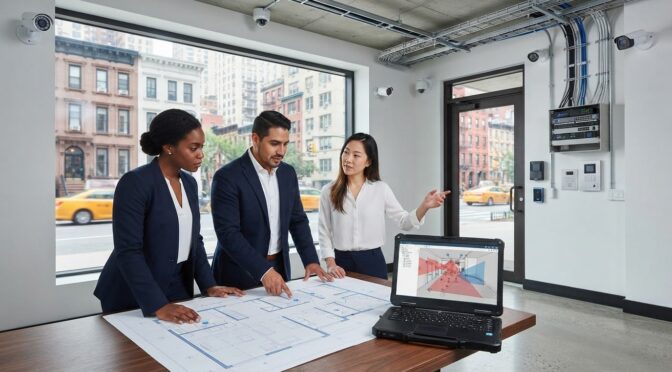
What if the biggest weakness in a camera plan isn’t the equipment, but a blind spot created by the building itself? For security camera installation NYC property managers need to account for entrances, sightlines, existing wiring, and how people move through the property before choosing camera locations. A useful plan starts with the site, not a device count.
Before work begins, decide which areas need coverage, how installation may affect residents or daily operations, and who can access recorded footage. This checklist will help you set priorities, prepare the building, and understand what professional installation involves. You’ll review key areas, infrastructure, coordination needs, and decisions about privacy and system use. A site assessment helps shape the CCTV system, while installation and testing confirm that cameras work as intended alongside related security hardware. Good preparation keeps the project focused and clarifies building staff’s role in day-to-day system use.
Key Takeaways
- Start by identifying the building’s security priorities, decision-makers, and the people who will use the system.
- Map entrances, shared spaces, and potential blind spots, while noting site conditions that may affect camera placement and cabling.
- For security camera installation NYC projects, gather floor plans, wiring details, network access information, and operating constraints before work begins.
- Plan camera views, recording practices, and access permissions with property leadership and relevant stakeholders.
- Understand the installation sequence, from site assessment and coverage planning to testing and operational handoff, including coordination with existing intercom or access control hardware.
Why NYC Security Camera Installation Starts with Building Needs
A successful camera project starts with a clear purpose, not a preset camera count. Security camera installation NYC involves planning coverage, mounting and connecting cameras, configuring recording and viewing access, and testing the system. The aim is to confirm that each planned view addresses a specific building need. For a foundational overview of the technology and its uses, see Closed-circuit television (CCTV).
Needs vary by property. An apartment building may prioritize its lobby and package area, while an office may focus on entrances and shared work areas. A mixed-use property may need separate plans for residential and commercial access. Building layout, existing infrastructure, and how the system will be used all shape the project.
A short visual overview can help illustrate how camera installation fits into a property security project:
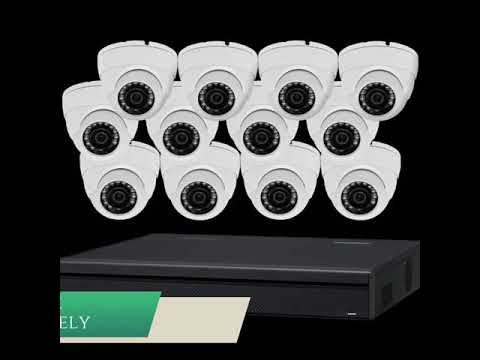
Which NYC property needs are you trying to address?
Separate observation goals before considering camera locations. Entry monitoring, package-area visibility, and shared-space observation are different objectives, even when the areas are close together. Record what prompted the project, such as a recurring concern at a service entrance or difficulty reviewing deliveries. This keeps coverage decisions tied to practical needs rather than assumptions.
Identify decision-makers and intended users early. Clarify who will review footage, who will manage system access, and how staff should use the system. A defined process reduces confusion after installation and helps keep access aligned with building responsibilities.
What belongs in a camera installation project?
A complete project considers more than cameras. It may include recording or storage components, connections that carry video and data, and viewing access for authorized users. Equipment selection depends on the intended use and site conditions, including the layout and available wiring or network infrastructure. For commercial facilities requiring integrated structural cabling and remote monitoring management to support connected devices, platforms like terapixels.net provide a useful reference.
Camera installation is the process of planning, connecting, configuring, and testing surveillance equipment to meet defined coverage goals. First decide what the building needs to observe, then plan and verify a system that supports those needs. In properties with existing intercom or access control hardware, coordination can also help align camera operation with the wider physical security setup.
Plan NYC Camera Coverage Around Entrances, Shared Areas, and Blind Spots
Camera locations should reflect how people move through the building. A street-facing entrance, lobby, service door, package area, and parking access point may each serve a different purpose. For security camera installation NYC projects, map priority locations first, then consider how the building’s layout and existing infrastructure affect each planned view.
How do you build a useful coverage checklist?
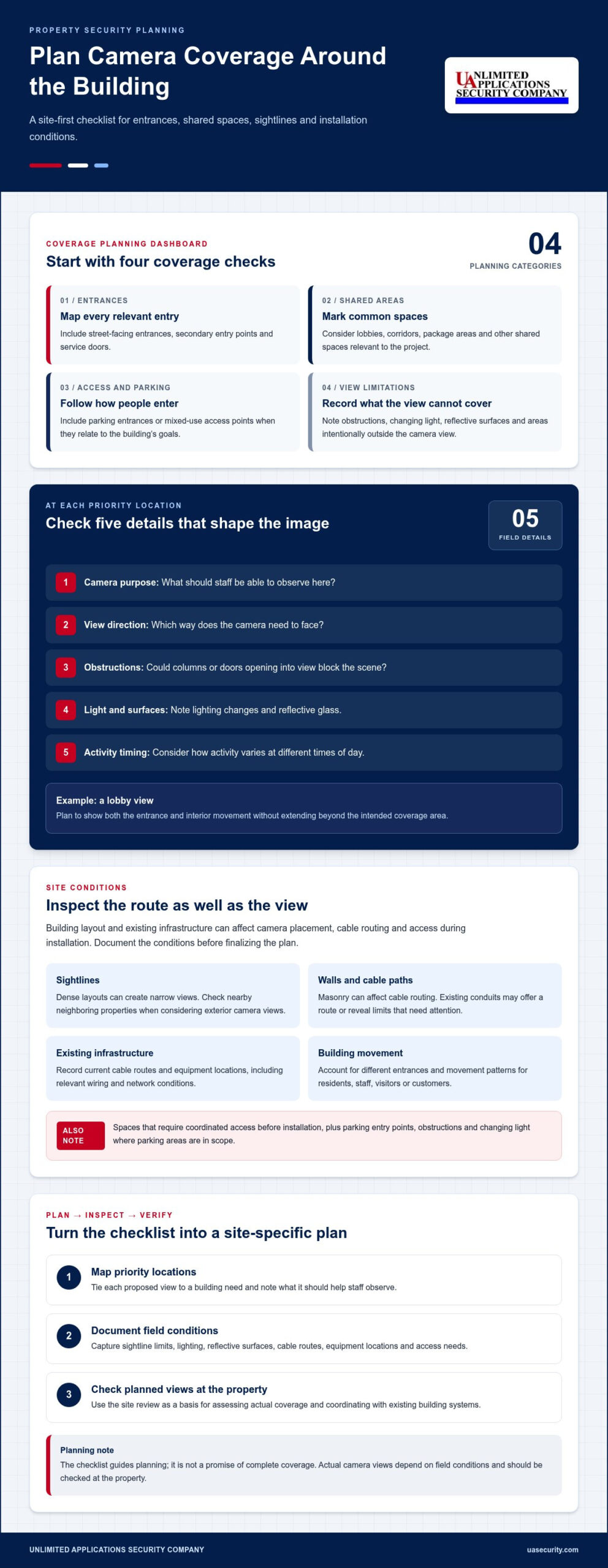
For each priority location, note what the camera should help staff observe and the direction it needs to face. Record details that can change what appears in the image, such as doors opening into the view, columns, lighting changes, reflective glass, or activity at different times of day. For example, a lobby view may need to show both the entrance and interior movement without extending beyond the intended coverage area.
- Entrances: Identify street-facing and secondary entry points, including service doors.
- Shared areas: Mark relevant lobbies, corridors, package areas, and other common spaces.
- Access and parking: Include parking entrances or mixed-use access points where they relate to the project’s goals.
- View limitations: Record obstructions, lighting changes, reflective surfaces, and areas intentionally outside the camera view.
Use this list to guide planning, not as a promise of complete coverage. Actual views depend on field conditions and should be checked at the property. This measured approach is consistent with Physical security best practices, which place facility protection in the context of a site’s needs.
What NYC site conditions can affect camera planning?
Dense building layouts can create narrow sightlines, and neighboring properties may sit close to exterior cameras. Masonry walls can affect cable routing. Existing conduits may offer a useful path or reveal limits that need to be addressed. Note current cable routes, equipment locations, and spaces requiring coordinated access before finalizing the installation plan.
Apartment buildings may have shared corridors and separate service access. Offices and mixed-use properties can have different entrances and movement patterns for staff, visitors, residents, or customers. Parking areas also need a site-specific review of entry points, obstructions, and changing light. These conditions inform practical camera placement, so account for them before selecting equipment.
For a broader look at system decisions, read this CCTV surveillance planning guide. A documented site review gives the installation team a useful basis for assessing coverage and coordinating with existing building systems. Explore CCTV surveillance installation as part of a building-specific security plan.
NYC Security Camera Installation Checklist: Prepare the Site and System
A clear sequence helps building staff prepare for work and gives the installation team the information needed to plan around the property. For security camera installation NYC projects, equipment and wiring requirements depend on the building’s layout, existing infrastructure, and coverage goals. Use this checklist to organize decisions before work begins.
- Document needs: List priority locations, the purpose of each view, and who will use the system.
- Assess the site: Gather floor plans and note existing cameras, wiring, conduits, network access, equipment locations, and physical constraints.
- Plan equipment: Match cameras, recording or storage components, connections, and viewing access to the building and intended use.
- Coordinate access: Confirm entry arrangements, affected areas, work-hour constraints, and relevant building contacts.
- Install and test: Mount and connect equipment, then verify planned views, recording, and authorized access.
What should a building manager prepare before installation?
Collect available floor plans, details about existing security equipment, and known wiring or network information. Record areas that may be affected by work, access arrangements for shared spaces, and operating constraints that could shape the installation plan. Identify building contacts who can coordinate access and communicate with staff or residents.
Decide how authorized staff are expected to view live images and recorded footage. Keep intended users and their responsibilities clear. If the building is considering coordination through the NYPD’s Community Camera Sharing Program, review the official program information as part of the planning process.
How should the system be tested after installation?
Testing should confirm that the installed system matches the plan and works for its intended users. Review each planned camera view at the property, confirm camera connections and recording functions, and check that authorized users can access the appropriate viewing tools. Assess visibility under typical lighting conditions, including differences between bright and dim areas.
Before handoff, document basic operating instructions, responsible users, and maintenance expectations. This gives building staff a practical reference for routine use and helps them know what to review if a view or recording function changes. The system is ready for day-to-day use only after its operation has been checked and users understand the basics.
With site information gathered and responsibilities organized, the project can move from planning to implementation with fewer unanswered questions. Discuss a NYC camera installation project to plan CCTV coverage around your building’s needs.
Privacy, Building Coordination, and Ongoing Use for NYC Cameras
Camera coverage is most useful when it serves a defined security purpose and has clear limits. For security camera installation NYC projects, consider not only what a camera can see, but also who can view footage, manage system access, and respond to questions or operating issues. Broader visibility may help staff understand activity in shared areas, but balance it against privacy, obstructions, and the intended scope of each view.
How can a building plan responsible camera use?
Set operating expectations before cameras go into service. Identify who is authorized to view footage, who manages user accounts, and who handles routine system administration. Limit access to people with a building-related role, and make clear who is responsible for maintaining those permissions.
Review camera views against the stated security purpose. A view aimed at an entrance, for example, should be assessed for whether it also captures a neighboring property or an area outside the project’s needs. Adjusting the planned view may help keep coverage focused while retaining useful visibility.
Rules can depend on the building, camera placement, and how the system is used. Coordinate with property leadership and check current guidance with appropriate building and legal authorities rather than assuming one approach applies to every project. Document decisions so administrators and authorized users understand the intended use.
How do you coordinate installation in occupied buildings?
Installation can affect people who use the property every day. Identify residents, tenants, staff, and building representatives who may be affected by access needs or work areas. Plan communication around shared entrances, corridors, loading areas, and other active spaces so people know what areas may be involved and whom to contact with questions.
Coordination also supports consistent system use after installation. Record who is responsible for access, how staff should report a camera or viewing issue, and how routine maintenance concerns will be handled. If the camera system works alongside existing intercom or access control equipment, clarify how the building expects those systems to operate together.
A practical privacy and coordination plan helps building teams use footage purposefully and manage the system responsibly. Discuss camera planning for your building to align coverage, access, and ongoing operation with your property’s needs.
What to Expect from Professional Security Camera Installation in NYC
A professional installation follows a defined sequence: assess the property, plan coverage, install the hardware, test system operation, and hand off the system for everyday use. Each step connects the original security goals to the finished setup. For security camera installation NYC projects, the building’s layout and existing infrastructure inform the plan, including how cameras connect to recording equipment and how authorized users access footage.
How can CCTV work alongside existing building security?
In an integrated property, cameras may be planned alongside intercoms and access control as part of a coordinated security hardware installation in New York. For example, a building team may want camera views that help staff review activity near an entrance managed by an intercom or access control system. These systems have distinct functions, but coordinating their placement and operation can support a more consistent approach to managing building access and reviewing activity.
The right approach depends on what is already installed, how the building is wired, and the project’s scope. A site assessment helps identify relevant equipment and infrastructure before finalizing the plan. Unlimited Applications Security Company provides CCTV installation and works with physical security systems, including intercom and access control hardware, to coordinate projects around the property’s needs.
What should the installation handoff cover?
Before the system is put into routine use, review its operation with the designated building users. The handoff should cover:
- Camera views: Confirm that each installed view matches the planned coverage.
- Recording: Review how staff can verify that recording is operating as intended.
- Authorized access: Clarify who can view footage and who manages system access.
- Basic procedures: Explain routine operation and how staff should report an issue.
Clear operating instructions give building staff a practical reference after installation. They also help establish who is responsible for access and who should respond when a camera view or recording function needs attention.
Unlimited Applications Security Company approaches CCTV as part of a coordinated physical security project, from site assessment through testing and operational handoff. Discuss your security camera installation needs and plan the next steps for your NYC property.
Take the Next Step Toward Building-Specific Coverage
A dependable camera plan starts with the building’s actual needs. Identify priority entrances and shared spaces, document site conditions that may affect camera views or wiring, and decide how authorized users will access footage. Then make sure the installation is tested and building staff understand the basic operating procedures.
With security camera installation NYC, planning matters as much as equipment. A considered approach helps align coverage with the property’s layout while accounting for privacy, access, and day-to-day use. Unlimited Applications Security Company provides CCTV surveillance installation and works with intercom and access control hardware, supporting a coordinated approach to physical security where the building calls for it.
Ready to turn your checklist into a practical project plan? Discuss your NYC security camera installation needs and take the next step with a clearer view of your building’s requirements.
Frequently Asked Questions
What should I check before installing security cameras in NYC?
Start with the building’s security goals, priority locations, and existing infrastructure. List entrances, lobbies, package areas, service doors, or parking access that may need observation, then note possible obstructions, lighting conditions, wiring routes, and network access. Identify who will review footage and manage system access. For security camera installation NYC projects, this preparation helps shape coverage and equipment around the property rather than relying on a generic layout.
Do I need permission to install security cameras in a NYC apartment building?
For work in shared or managed areas, coordinate with the property owner, management, board, or other building decision-makers before proceeding. Requirements can depend on the building, the location, and the project, so don’t assume approval for one area means approval for another. Review current building policies and applicable guidance with the appropriate authorities. Plan camera views responsibly, especially where residents or neighboring properties could be captured.
Can security cameras be connected to an existing intercom or access control system?
They can be coordinated as part of an integrated physical security project, depending on the existing equipment and site infrastructure. CCTV cameras support video observation, while intercom and access control systems serve related but distinct building functions. An assessment can establish how the systems are currently configured and what coordination the project calls for. Unlimited Applications Security Company works with CCTV surveillance, intercom systems, and access control hardware in New York City.
How long does security camera installation take?
Installation time varies with the building layout, number and placement of cameras, wiring routes, existing infrastructure, and access requirements. A project involving clear cable paths and straightforward access may differ from work in a building with complex layouts or limited access to shared areas. A site assessment helps establish the project sequence and coordination needs. Ask building representatives to identify work-hour constraints and access arrangements during planning.
What is checked after a security camera system is installed?
Each planned camera view should be reviewed at the property to confirm it captures the intended area. The system should also be checked for camera connections, recording operation, and authorized viewing access. Review image visibility under typical site lighting, since bright entrances and dim corridors can look different. Before handoff, clarify basic operating procedures, who manages access, and how staff should report operational issues.
Can security cameras cover every area of a building?
Complete coverage shouldn’t be assumed. Walls, columns, doors, lighting changes, reflective surfaces, and building geometry can limit a camera’s view. Privacy also matters: views should be planned around the property’s security purpose and avoid unnecessary capture of neighboring property or private spaces. Map priority areas, document likely blind spots, and review actual views during installation. The final coverage depends on field conditions and the project design.
What information should I give an installer before a NYC camera project?
Provide available floor plans, a list of priority locations, and details about existing cameras, recording equipment, wiring, conduits, and network access. Describe the concerns that prompted the project and note site conditions such as masonry, obstructions, or limited access to shared areas. Also identify building contacts, work-hour constraints, intended system users, and who should manage live views and recorded footage. Clear information helps tailor the installation plan to the property.